 ';
view
';
view

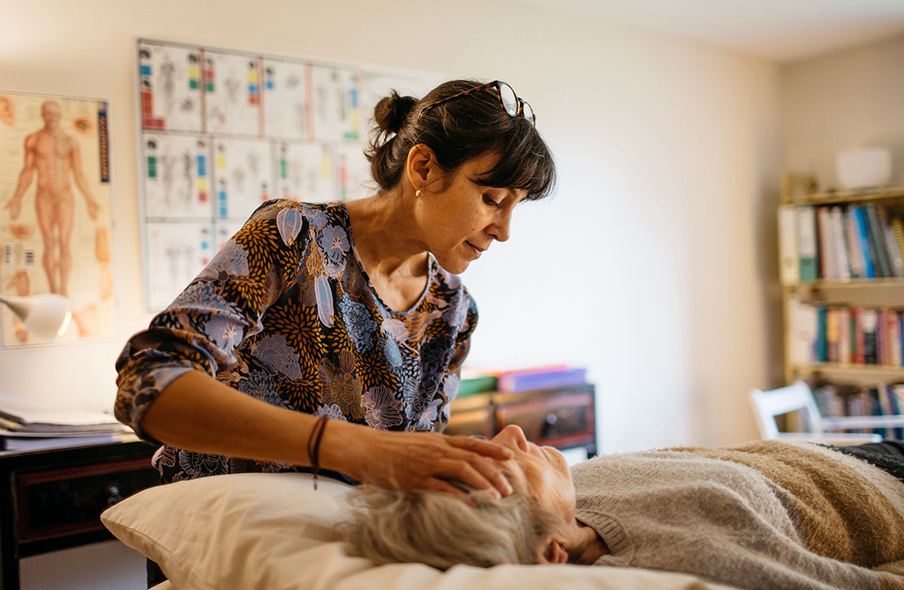


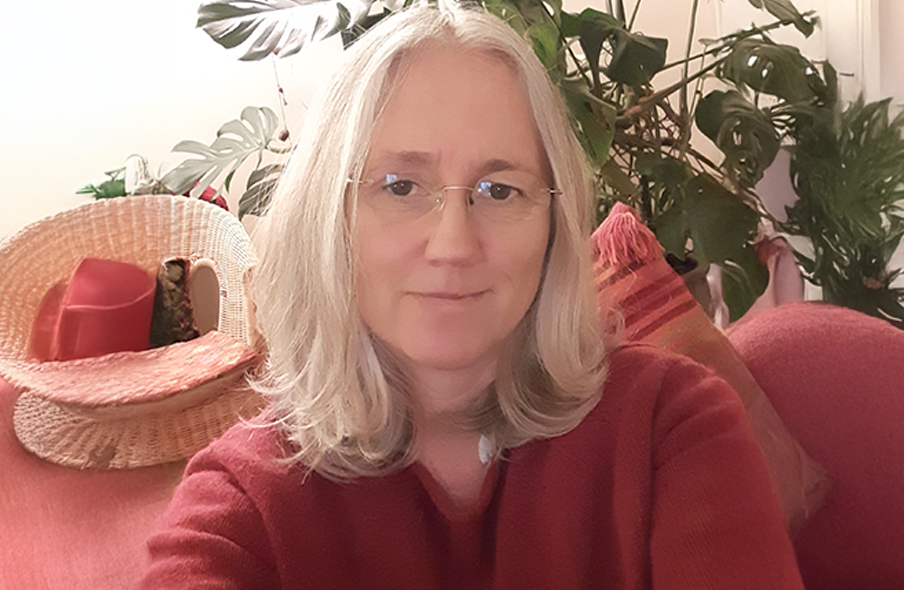

Holistic therapies provide an integrative approach to mental health, offering support to individuals who are at risk of suicide, experiencing mental health challenges, or who are neurodivergent. These therapies, focusing on mind, body, and spirit, can help address deep-seated emotional, psychological, and physiological issues by promoting balance, relaxation, and emotional healing.
For individuals at risk of suicide, the emotional overwhelm can feel insurmountable, making it difficult to manage daily life. Holistic approaches such as Kinesiology, massage, and Reiki work by addressing both physical and emotional stress. Kinesiology uses muscle testing to identify imbalances in the body’s energy, providing insight into unresolved emotional or mental struggles. This insight allows individuals to process their emotions more effectively, leading to a sense of release and relief. Massage therapy, on the other hand, relaxes the nervous system, reduces tension, and fosters a feeling of safety and comfort, crucial for someone in a crisis state.
For those who are neurodivergent, such as individuals with ADHD or autism, traditional therapeutic modalities might not always feel accessible or effective. The sensory elements of holistic therapies like sound healing (using gongs, tuning forks, crystal bowls, and shamanic drums) provide a unique way to regulate emotions and reduce sensory overload. Sound healing helps induce a state of deep relaxation and balance, aiding neurodiverse individuals in managing their emotional and sensory experiences in a controlled, calming environment.
Shamanism and energy-based therapies, such as Reiki, Pellowah, and Quantum Energy Coaching, support emotional healing by connecting individuals with their spiritual essence. They often provide a non-verbal way of processing trauma, which can be particularly useful for people who struggle to express their emotions or articulate their mental health challenges. By reconnecting individuals with their internal energy, these therapies facilitate an emotional detox, allowing for a release of past trauma, negative thought patterns, and repressed emotions.
Aromatherapy, with essential oils tailored to individual needs, enhances the therapeutic experience. The olfactory sense is closely linked to mood and emotional regulation. Personalized blends of essential oils, delivered through massage or inhalation, can help reduce anxiety, lift mood, and ground individuals who may feel disconnected from their body or surroundings.
Beyond emotional healing, holistic practices also focus on restoring a sense of self-care, particularly important for those dealing with mental health struggles or neurodivergence. Facials, manicures, and massages such as neck, head, and shoulder treatments offer not only relaxation but a sense of nurturing. This nurturing environment encourages individuals to reconnect with their bodies in a positive way, reminding them of their worth and value.
Holistic therapies are not a replacement for traditional mental health treatment, but they offer complementary support that is often gentler and more attuned to individual needs. They work by harmonizing the physical, emotional, and spiritual aspects of a person’s being, which is essential for those experiencing mental health challenges, suicidal thoughts, or neurodivergent conditions. The nurturing, non-invasive nature of these practices helps foster resilience, emotional clarity, and hope, allowing individuals to build a stronger foundation for their mental health journey.